Introduction
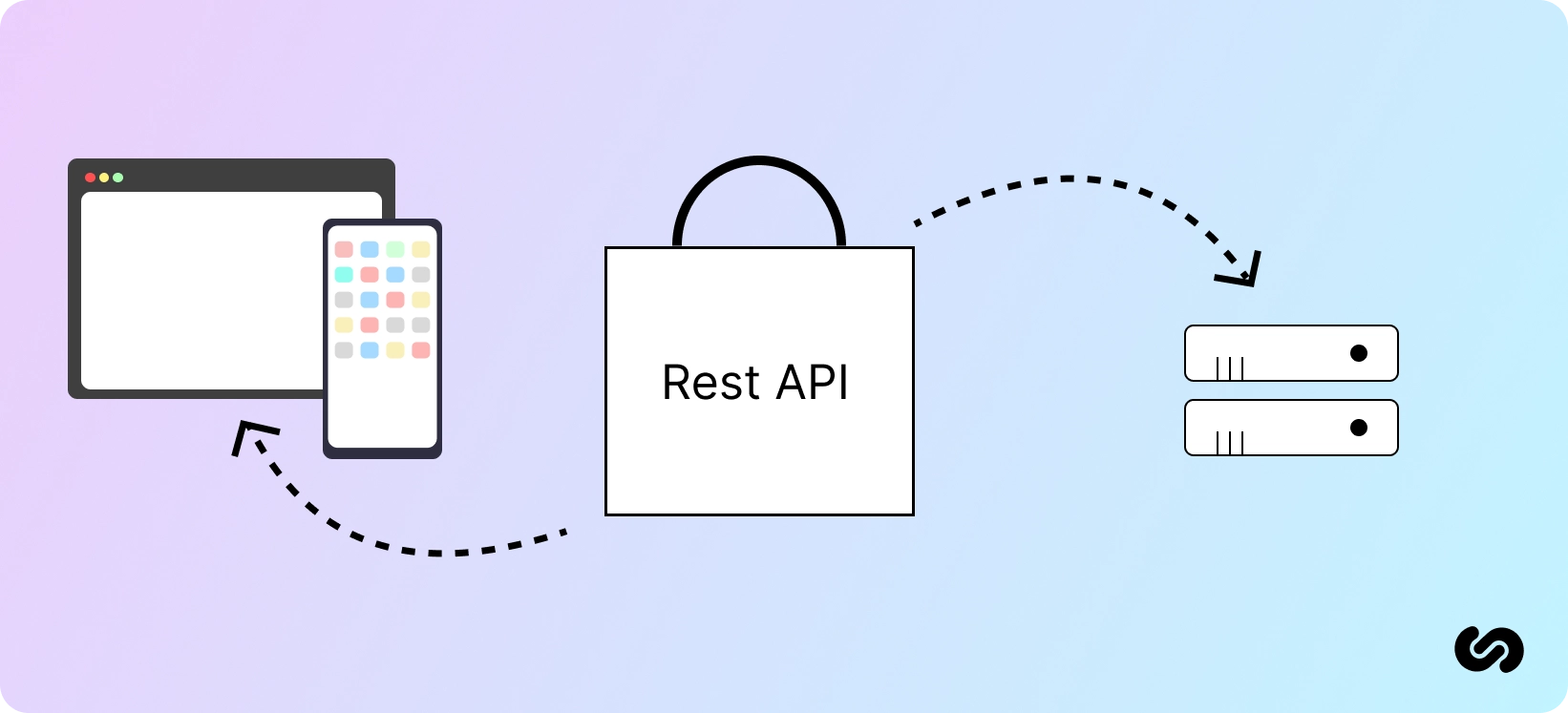
In the ever-evolving world of web development, RESTful APIs (Representational State Transfer Application Programming Interfaces) have become the backbone of modern applications. These APIs allow different systems to communicate and exchange data seamlessly. However, with increased connectivity comes increased vulnerability to security threats. In this blog post, we will explore the fundamentals of designing effective and secure REST APIs, helping developers create robust and reliable interfaces that protect both their data and their users.
1. Understanding RESTful APIs
RESTful APIs are based on the principles of Representational State Transfer, which provide a set of guidelines for designing web services. The key characteristics of RESTful APIs include:
a. Stateless: Each request from a client to the server must contain all the information needed to understand and process the request.
b. Resource-Based: REST APIs treat resources (e.g., data entities) as the core components of the system. These resources are accessed using URIs (Uniform Resource Identifiers).
c. Uniform Interface: REST APIs adhere to a uniform set of standards, which simplifies interactions between the client and server.
2. Defining API Endpoints and Methods
When designing an API, it is crucial to define clear and concise endpoints that represent the resources being accessed. Each endpoint should be associated with specific HTTP methods that dictate how clients can interact with the resources. Common HTTP methods include:
a. GET: Retrieve a resource or a collection of resources.
b. POST: Create a new resource.
c. PUT: Update an existing resource.
d. DELETE: Remove a resource.
By adhering to these HTTP methods, you create a predictable and intuitive interface for clients to interact with your API.
3. Versioning APIs
As APIs evolve, changes to the API's structure or behaviour can break existing client applications. To avoid these issues, it's essential to implement versioning from the start. By incorporating version numbers into the API's URI, you ensure that changes do not affect clients using older versions.
Example of URL is mentioned below :
`https://api.example.com/v1/resource`
4. Implementing Authentication and Authorization
Securing your API starts with proper authentication and authorization mechanisms. Authentication ensures that only authorised users or applications can access your API, while authorization determines what actions they are allowed to perform. Common authentication methods include API keys, OAuth tokens, and JSON Web Tokens (JWT). Additionally, role-based access control (RBAC) can be employed for fine-grained authorization.
5. Using HTTPS for Secure Communication
Secure Socket Layer (SSL) or Transport Layer Security (TLS) encryption is essential for securing data transmitted between the client and the server. By using HTTPS (HTTP over SSL/TLS), you protect sensitive information from eavesdropping and man-in-the-middle attacks.
6. Input Validation and Sanitization
Preventing malicious inputs is crucial for securing your API. Always validate and sanitize user input to avoid common attacks like SQL injection and cross-site scripting (XSS). Use parameterized queries for database interactions and output encoding when presenting data.
7. Rate Limiting and Throttling
Rate limiting and throttling protect your API from abuse and ensure fair usage by clients. Implementing these mechanisms prevents excessive requests from a single client, enhancing overall system performance and security.
8. Handling Errors Gracefully
Proper error handling is critical for API usability and security. Return clear and informative error messages to clients, but avoid disclosing sensitive information. Log errors securely to help identify and troubleshoot potential issues.
9. Data Serialization and Deserialization
Choosing the right data format for your API is vital. JSON (JavaScript Object Notation) is the most popular choice due to its simplicity and ease of use. Use libraries or frameworks to handle serialisation and deserialization securely and efficiently.
10. Cross-Origin Resource Sharing (CORS)
CORS defines browser-based security mechanisms that prevent a web page from making requests to a different domain than the one that served the web page. Configure CORS headers to allow only trusted origins to access your API, preventing cross-site request forgery (CSRF) attacks.
Conclusion
Designing effective and secure RESTful APIs is a multifaceted process that requires careful consideration of various factors. By following best practices such as defining clear endpoints, implementing robust authentication and authorization, and adhering to HTTPS encryption, developers can create APIs that not only deliver exceptional performance and user experience but also safeguard data and protect against potential security threats. Emphasising security from the outset and staying up-to-date with the latest security practices will ensure that your API remains resilient and reliable, earning the trust of developers and users alike.