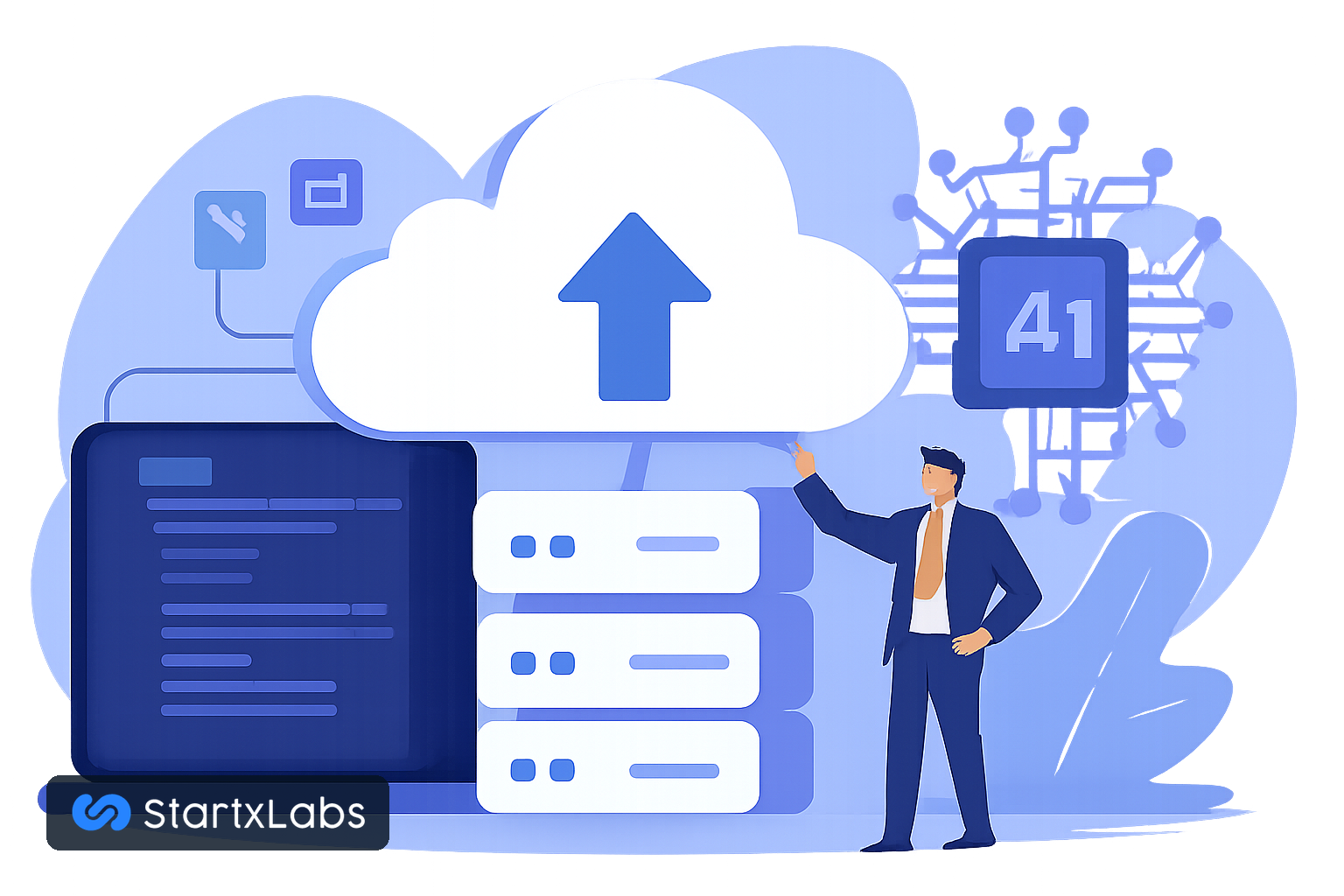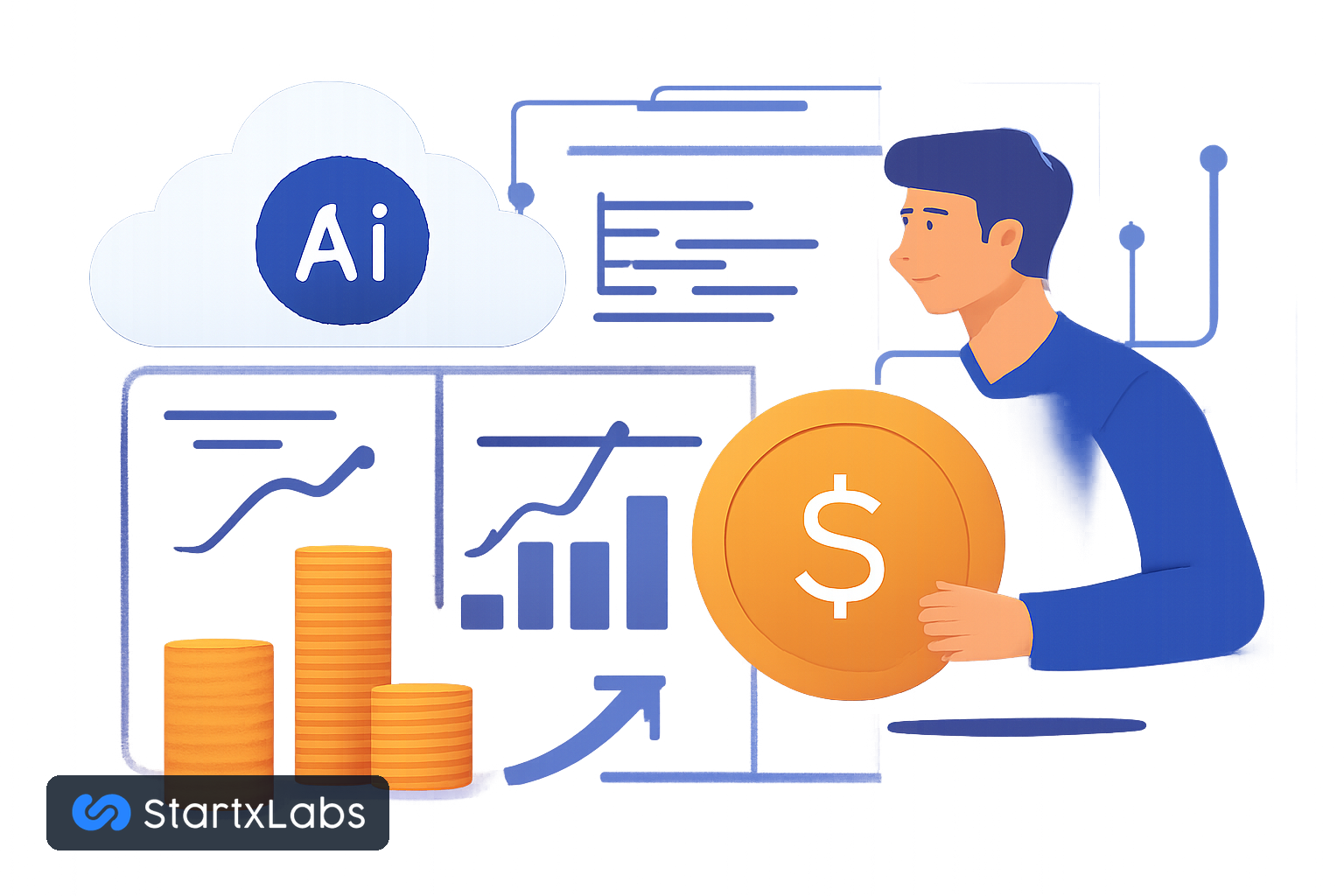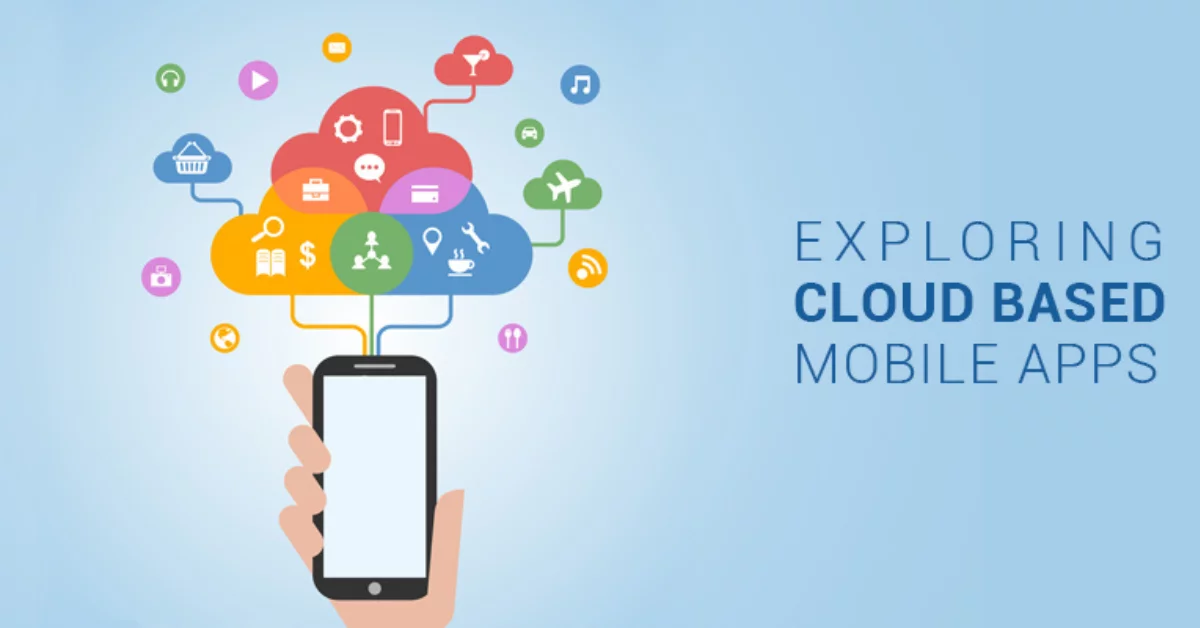
A cloud-based app is developed using a predetermined process called cloud application evolution, which includes several app phases of development. DevOps procedures, innovations, and equipment are used by teams building cloud apps, which are heavily reliant on the server to function. Examples of typical digital products or cloud applications include design tool Figma, immersive platform Miro, Dropbox, Onedrive, Google Docs, and Office 365. To use a virtualized app, all you need is a computer with a search engine and the internet. Cloud apps shorten project timelines and substantially lower costs for businesses using diverse teams. By utilizing the knowledge and expertise of reputable and skilled cloud-experienced software providers, business organizations can significantly improve their operations by creating cloud-based apps.
Advantages of cloud-based app development
There are four typical cloud-based deployment options available for various software services: residential, citizenry, fusion, and community. For quicker and more dependable enterprise software options like aspects of the organization, businesses can adopt one of three popular cloud-based app development workarounds. These include cloud platforms, microservices, and software as a service (SaaS). Patrons who use SaaS can access plugins online without having to set them up or implement them on their devices. You can purchase the actual cloud digital platform (power grid, debuggers, and virtual machines) as a service and use it to create any kind of cloud-based application you want. IaaS cloud services involve managing all of your company’s infrastructure through formal or informal clouds.
In 2024, the international market for cloud-based apps is anticipated to reach $166.83 billion, as per a poll on the subject executed by international research firm Statista. In 2021, the same economy had a $139.68 billion valuation.
By 2022, according to additional Gartner research, about 60% of entrepreneurs will depend on the cloud to host their data. Today, a growing number of commercial organizations are adopting cloud-based services. Organizations can gain a lot from this solution in the form of increased productivity, effective integration, cost savings, productivity improvements, etc. The advancement of cloud applications is very advantageous for large businesses and sorts because it handles issues with data center storage and computation.
A Cloud-Based App’s Operation
Users can share relevant data on a decentralized network known as the cloud. A cloud vendor is in charge of overseeing the sizable data centers required to guarantee security, flash memory, and processing power for each public cloud.
Organizations that produce web hosting can let users hold information on their networks and offer an information exchange environment for various devices. Have you ever noticed, for instance, how a song you install to your computer instantly syncs with the iTunes app?
While the customer clicks with an app via a computer or smartphone device, it is running on a proxy system. While the cloud controls the computation, users can enter data using their phones or PCs. The complexity of the device’s processor is drastically decreased by cloud storage, which makes the app run more quickly.
Cloud-based innovation is especially advantageous for apps that allow for in-app communication between users. Users must share their current location and engage in real-time communication when using on-demand distribution apps that use destination skills, for instance. Such a real-time procedure is best suited for a computing platform.
Steps or procedures for developing cloud-based apps
Businesses seek the right rebuttal: And what would the cloud-based implementation give them? The obvious response is straightforward: app files are saved in network infrastructure, and users can access the widget using equipment and a broadband connection. Technical ambiguity and a different set of intellectual abilities distinguish cloud app growth from conventional apps. Understanding SaaS, PaaS, or IaaS is crucial before developing a cloud application. You’ll probably encounter some technical difficulties when developing a cloud application in terms of security, dependability, and effectiveness.
Customer intelligence, identifying problems they have, and using electronic experiences to solve them are among the first steps in creating a cloud app. What goes into a suitable cloud development?
- carry out market analysis
- appoint an advancement crew
- Choose Functionality
- to pick a stack.
- select a monetization strategy.
- Create and create an app.
- test and start
Let’s go over the specifics of cloud-based software design.
STEP 1: Market analysis
The whole first step in developing a cloud app is to research the market and analyze the competition. An idea for a project can be validated by researching rivals. For beneficial projects, market research will provide better insights into distinctive tools and capabilities.
- Research business strategies and your target market.
- Identify the app’s type and intended users.
STEP 2: Hire a developer team
The purpose of forming a virtualized app is intricate, and it requires the involvement of technical experts with extensive experience. When you work with a cloud technology design firm, you have the following choices:
- In-house developers are expensive and have complete control over the development team.
- Outsourcing companies are the best in terms of cost and quality.
- Freelance developers are affordable and work best for short-term projects.
With a protracted outlook, in-house builders and offshoring businesses are two viable choices for cloud-based software packages.
STEP 3: Select a functional approach
Depending on the configuration the cloud-based app will serve, choose the app’s connectivity. The experts in software design choose the features of the app that are directly focused on a particular solution.
STEP 4: Select the appropriate tech stack
When creating a cloud-based application, selecting the appropriate tech stack is crucial. Specialists with extensive engineering skills can work miracles here. Businesses interested in creating cloud-native applications can experiment with the following elements:
- Swift (iOS), Languages like python, and Visual Studio are open source
- Toolkit with SDK and the Android Advanced Features from Apple Xcode (iOS)
- SDK – Emulator SDK, iOS SDK, and Cocoa Touch SDK
For creating the core tech of your app and starting the cloud documentation of the project, you also need to take into account cloud software development portals, additional functionalities, and third-party assistance.
STEP 5: Pick a monetization strategy
When you unleash your alternative, you must choose your monetization strategy. A glance at the pricing scheme offered for creating a SaaS viable alternative.
- Freemium – Scarce connectivity is downloadable, but instant access to invoicing;
- Promotional – Ad layout within your app
- Subscription – Making a yearly or quarterly payment
STEP 6: Create and implement your app.
The formation of the UI and coding of the operability fall under the sixth stage of web app development. Ensure you don’t constrain on UI/UX design or copy current applications. Ask your advancement group to work on front-end and back-end posts through appealing and scripting.
STEP 7: Test and launch
The final phase of developing a cloud-based tool is platform screening. Ask QA software developers to run a variety of tests to find bugs, confidentiality, and framerate drops with the app. Once your app has undergone productive testing, release it to the public by posting it to online services and complying with all app release necessities.
Price of creating cloud-based applications
The four key aspects of preparing, product development, recognition, and UX/UI layout are what directly influence and control the cost of creating a cloud-based app using SaaS. You must consider the various functionalities included in a cloud-based app when determining the true cost of its development. A personalized app with popular business components will always cost more than a basic app with a limited feature set. Consider a few features that have an influence on the entire cost of creating a SaaS app.
- Hardware characteristics
- Integration points
- Maintenance Schedule
- Support for platforms and gadgets
- Visual elements
What should I think about before developing a cloud-based app?
Before beginning the process of developing cloud-based apps, there are a few things to think about.
- Data security – Cybersecurity is particularly pressing for cloud-based implementations. You must put security precautions in place for your online store.
- Architecture configuration – By selecting an appropriate architecture, businesses can scale vertically and horizontally their virtual servers. Enhance contingency plans, heavy security, and firmware upgrades are a few advantages.
- Data buffering – App data isn’t always kept in the cloud. Because some of an app’s statistics can be collected by the device’s GPU and cached itself, the app can be used temporarily inactive. The asynchronous data will be transferred to the cloud, like Cloud Storage, if the user re-connects to the world wide web.
- Parallelization – Always plan for future growth in user numbers. If you can’t magnitude now because the app can’t handle such loads, you might suffer losses.
Conclusion
These days, a growing number of commercial organizations use cloud technology to gain additional advantages such as productivity improvement, efficiencies, and better coordination and profitability. Businesses can get something out of cloud-enabled software to foster collaboration, analyze data, reduce costs, and make the right decisions. Many software providers offer cloud digital marketing services to business organizations.
A capable app dev company with expertise in the most recent tech stack is Binmile. Binmile’s cloud digital marketing specialists can assist you in selecting the appropriate IaaS, PaaS, or SaaS concepts that are in line with your shifting business requirements.