Trusted by companies we've built for


























AI-driven software development is a way of building software where AI tools do a large share of the mechanical work (scaffolding, boilerplate, tests, refactors, documentation) while engineers focus on architecture, edge cases and review. It applies to any software, whether or not the product itself has AI features.
Done well, it shortens delivery time noticeably. Done carelessly, it produces code no one understands. The difference is process: clear specs going in, strict review coming out, and tests that prove the generated code does what it should.
Where AI speeds up our delivery most
AI coding tools make it easy to produce a lot of code quickly. Our process is built to make sure that code is correct, secure and maintainable by your team after we hand it over.
Specs before code
Every task starts with written acceptance criteria, so the AI and the reviewer are working toward the same result.
Tests prove behavior
Generated code ships only with tests that exercise the real requirements, including failure cases.
Your code stays private
We use AI tools under enterprise terms that exclude training on your code, and follow your policy on which tools are allowed.
Readable over clever
Reviewers reject code that works but that your team couldn't maintain. Consistency with your codebase matters more than speed.
Step 01
Spec
Engineers and your product owner agree on acceptance criteria. AI helps draft edge cases and test scenarios.
Step 02
Build
AI coding agents produce first drafts of features and tests. Engineers direct the work and handle the hard parts.
Step 03
Review
Senior engineers review every change, with AI-assisted checks for bugs and security issues as a second pass.
Step 04
Verify
Automated tests, preview environments and a demo in your US hours before anything is merged to main.
Step 05
Document
Docs and decision records updated with each change, so knowledge stays with your codebase.
Fixed-price execution model for small and medium projects with clear requirements.
Pay-per-use delivery model for evolving product requirements and iterative releases.
Dedicated team model for long-term product development and engineering partnership.
Most development teams now use AI tools in some form, so the useful question isn't whether they do. It's how they control quality, who is accountable for the code, and whether the speed shows up in your timeline and invoice.
Ask to see a recent pull request and the review comments on it. That tells you more about a team's AI process than any slide.
Questions worth asking
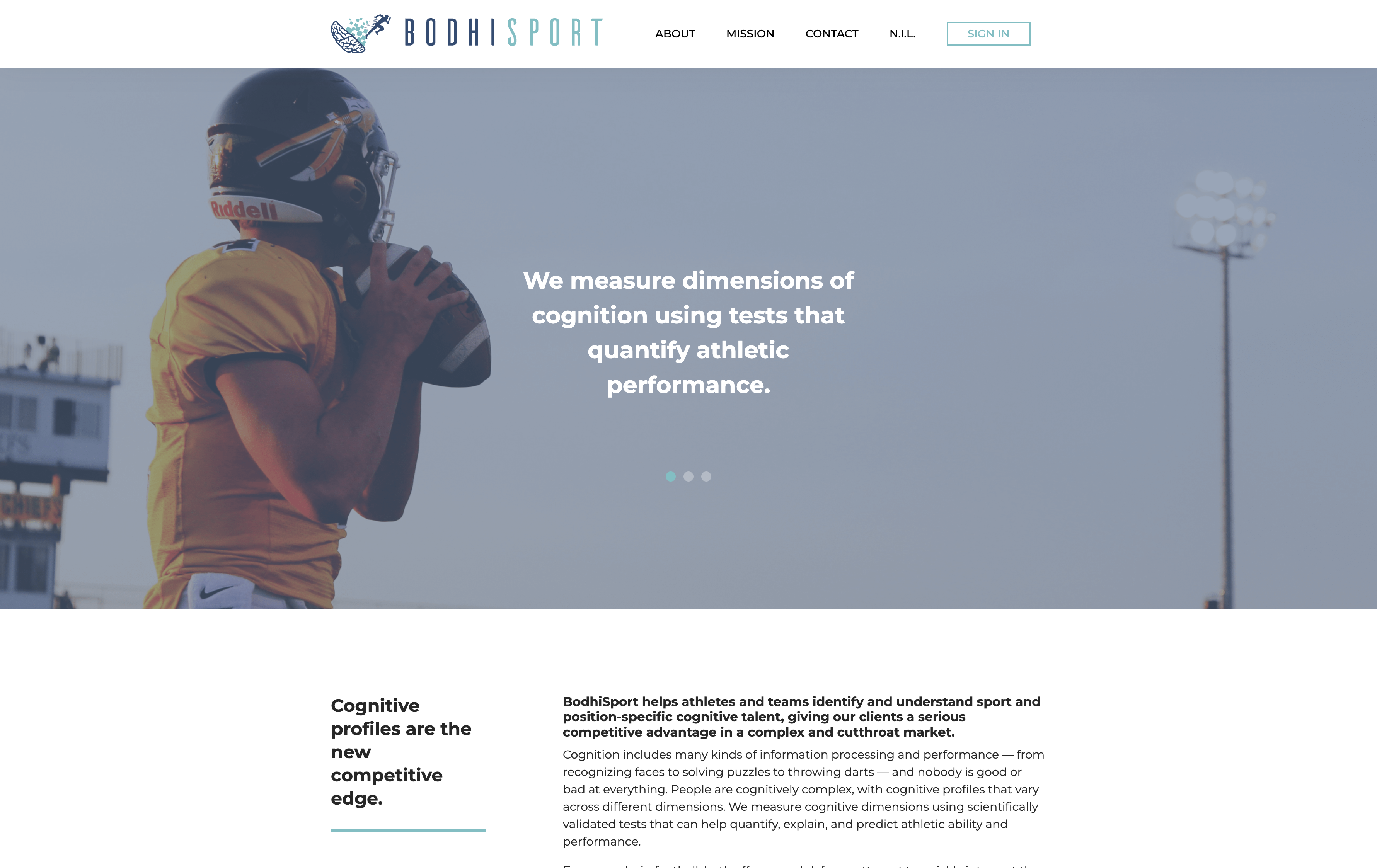
Sports Technology
BodhiSport
Measure dimensions of cognition using tests that quantify athletic performance.
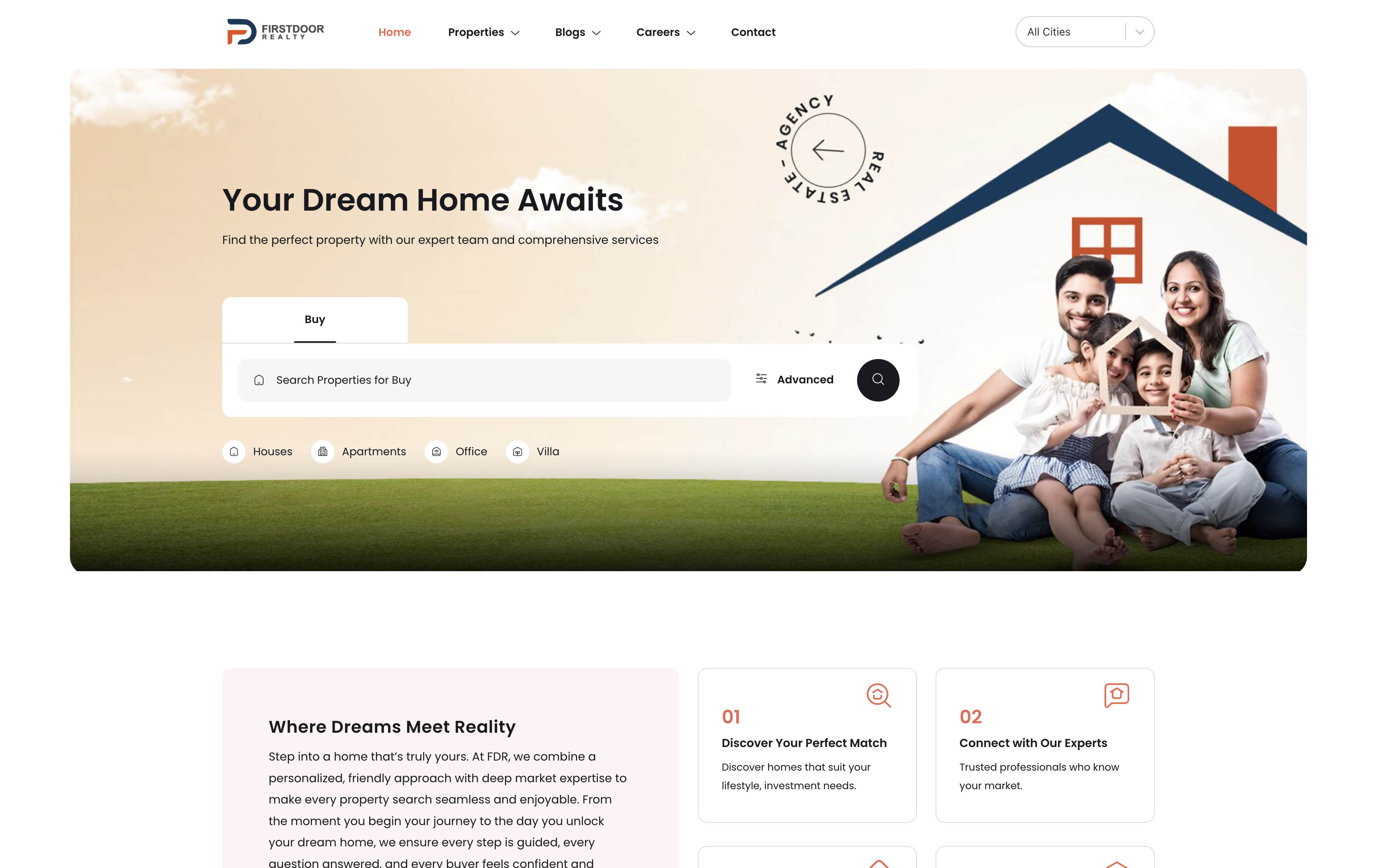
Real Estate Marketing
First Door Realty
National and international campaigns spanning SEO, SEM, and social for premium real estate brands.
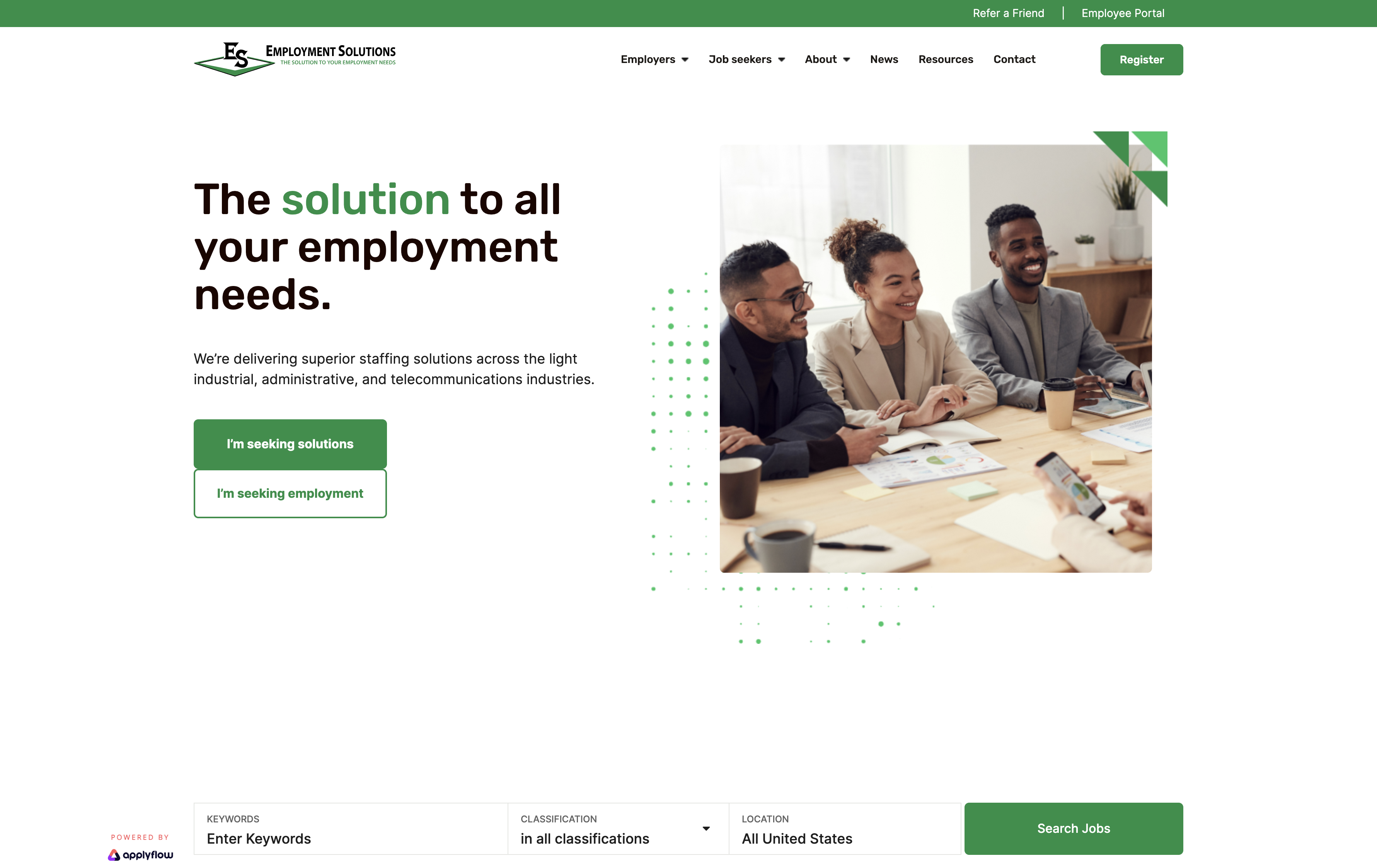
Staffing & HR Operations
Employment Solutions
Sync Bullhorn ATS and CRM data with ADP and Paylocity through a cloud-based integration service.
“I would highly recommend Startxlabs for your project. I've worked with many offshore developers, and this one has been easy to work with, and the quality of work has been exceptional.”
Mike Lee
CFO, CIO · Employment Solutions
“Working with StartxLabs was great. They are very capable and great at communicating and understanding specific requirements. The turnaround time was also very quick. I'd happily recommend StartxLabs to anyone looking for Mobile app development.”
Ryan McManus
VP, Product at Moviepass · Moviepass
“The enterprise application has received positive feedback. Startxlabs Technologies is responsive and proactive in resolving issues and often responds to communication within 12-24 hours. The team serves as a technical advisor, offering valuable assistance, guidance, and help.”
Ritesh Goyal
Product Manager · Zinier Inc
Every review on Clutch, GoodFirms, and AppFutura comes from a verified client engagement.
FAQ
Contact Us
Bring a detailed brief or an early idea. We will help you scope it, test it and ship it.