Trusted by companies we've built for

































Software development for startups is different from building for a large company. The goal of the first version isn't completeness. It's learning, as fast as possible, whether real users will use and pay for what you've built. That means cutting scope hard, choosing boring and reliable technology, and making sure the code can grow if the idea works.
For Indian startups, it also means getting the local details right from day one: Android-first users on mid-range phones and patchy networks, UPI as the default way to pay, OTP login, and pricing that works for Indian customers.
What we typically build for startups
Most founders don't need just one build. They need a team that can keep shipping after launch, through the first users, the first round and the first scaling problems.
Iterate on real data
Analytics set up from launch, so the next sprint is decided by what users actually do.
Scale without a rewrite
Architecture chosen so you can handle 10x the users by adding capacity, not starting over.
Hire your own team later
We help you interview your first engineers and hand over the codebase cleanly when you're ready.
You own everything
Code, cloud accounts, app store listings and domains are in your company's name from day one.
Step 01
Idea and scope workshop
We pin down the core user, the one problem the MVP solves, and what's left out.
Step 02
Fixed INR quote
A written scope, timeline and fixed price, with payment in milestones.
Step 03
Clickable design
Screens you can test with a few users before a line of code is written.
Step 04
Build and weekly demos
Working software every week, so you can show investors and early users as it grows.
Step 05
Launch and iterate
Play Store and App Store release, analytics, and a plan for the next version.
Fixed-price execution model for small and medium projects with clear requirements.
Pay-per-use delivery model for evolving product requirements and iterative releases.
Dedicated team model for long-term product development and engineering partnership.
Early-stage founders in India usually weigh three options: hire engineers directly, work with freelancers, or bring in a development partner. Hiring takes months and is hard to undo. Freelancers are cheaper but rarely cover design, backend, mobile and DevOps together. A partner is fastest to start and easiest to scale down, as long as you keep ownership of the code.
Whichever you choose, insist that the code, cloud accounts and app store listings are in your company's name. Getting them back later is one of the most common problems we see when founders switch vendors.
Checklist before you sign with a development partner
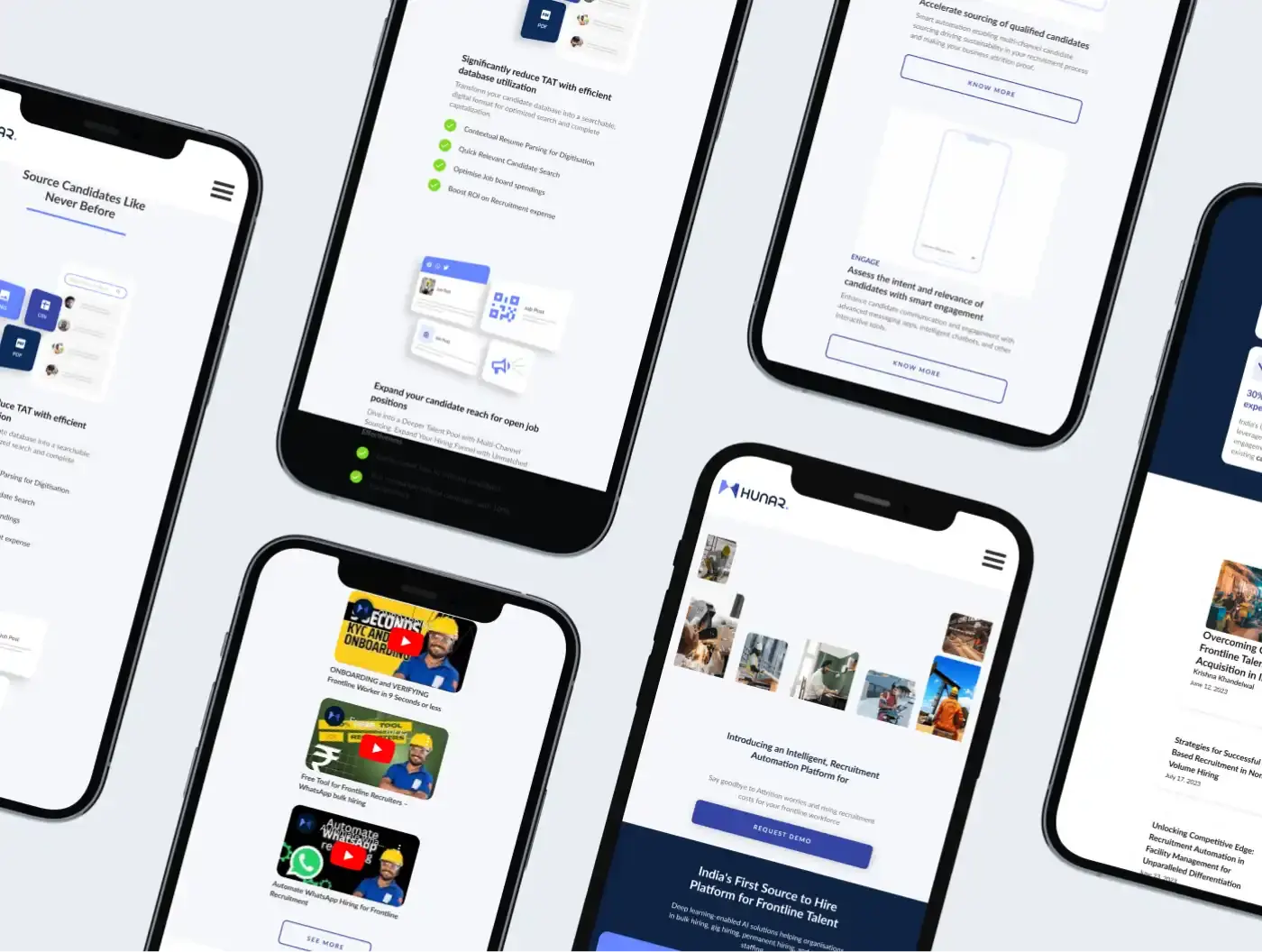
AI · Recruiting Technology
Hunar.io
An intelligent recruitment automation platform for modern hiring teams.
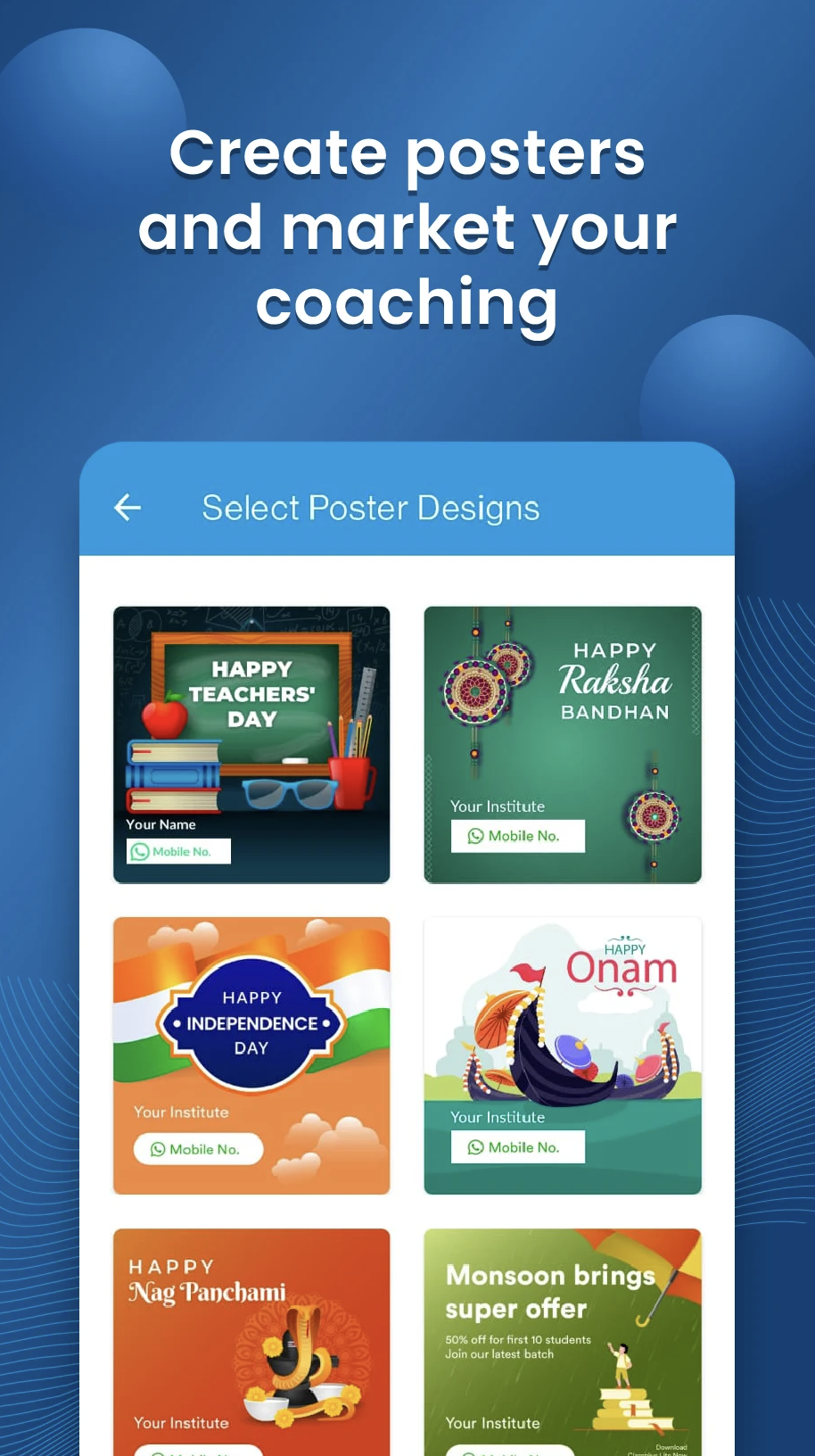
EdTech
XPrep / ClassPlus
Student, parent, and teacher Android apps delivered in tight collaboration with an in-house product team.

Media & Entertainment
Amar Ujala
News experiences built to stay fair, fearless, and constant across platforms.
“StartxLabs helped us build the client side of the first cut of our product. Adherence to timelines is what we appreciated the most about them. Unlike most of the software service companies. Deep and his team score well on this front.”
Mukul Rustagi
CEO · Classplus
“StartxLabs has completed deliverables and met our expectations. They've been communicative and responsive to feedback throughout the development. They've used their relevant experience, agility, and project planning skills to develop a robust Web application.”
Nikhil Aggarwal
Partner · AKGVG & ASSOCIATES
“Thanks to StartxLabs Technologies' efforts, we have been able to achieve our goals consistently. The team has gone above and beyond to exceed the needs and requirements of the internal team, and they've been communicative and flexible throughout the workflow.”
Vivek Gupta
Director · First Door Realty
Every review on Clutch, GoodFirms, and AppFutura comes from a verified client engagement.
FAQ
Contact Us
Bring a detailed brief or an early idea. We will help you scope it, test it and ship it.
